Random, Drunken and MiniBattles: The Ragdoll Party Game Series Explained
A large share of the two-player games people look for by name belong to three families: the Random sports games, the Drunken fighting games, and MiniBattles. They share a look — floppy ragdoll characters, short rounds, a lot of falling over — and they are often mentioned in the same breath. But the families work differently, and knowing which is which saves time when you are choosing one for a particular group of people and a particular keyboard.
This page covers every game from those three families in our catalogue. The keys quoted come from the control reference on each game's own page, and each reference has been matched against the developer's listing using the game's distribution ID rather than its title.
The short version
- Random games — one button per player, a sport, and conditions that change after every point. Luck keeps a weaker player in the match.
- Drunken games — ragdoll fighters whose balance is part of the challenge. Most use one button each; two of the boxing games use a full key layout per player.
- MiniBattles — a roulette of tiny contests. The one-button versions take two to six players; the sports version uses a movement-and-action layout.
The Random series: one button, rules that keep changing
All four Random games share one control scheme: Player 1 on W, Player 2 on the Up arrow, and a single-player mode against the computer. The button jumps your ragdoll and swings it at the ball or the opponent. What makes the series is that the court, the ball and the players can all change between points, so a technique that won the last rally may be wrong for the next one.
| Game | Keys | How you score |
|---|---|---|
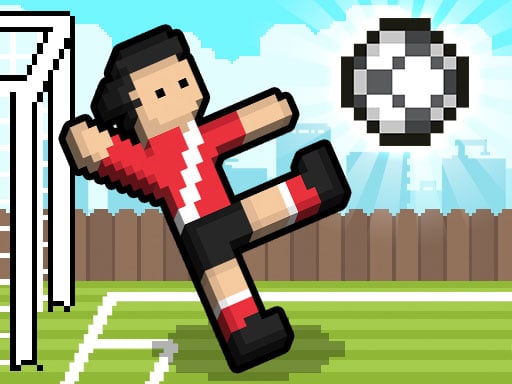
| Soccer Random | W / Up arrow | Head or kick the ball into the far goal; first to five usually settles it |
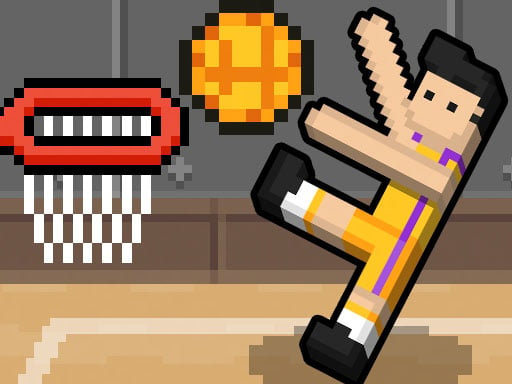
| Basket Random | W / Up arrow | Your button makes both of your players jump and flail; time it to catch, then to shoot |
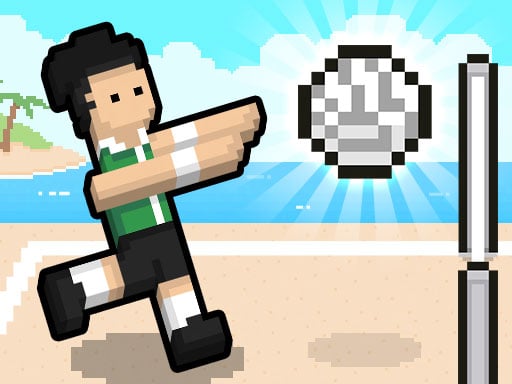
| Volley Random | W / Up arrow | Land the ball on the far side of the net |
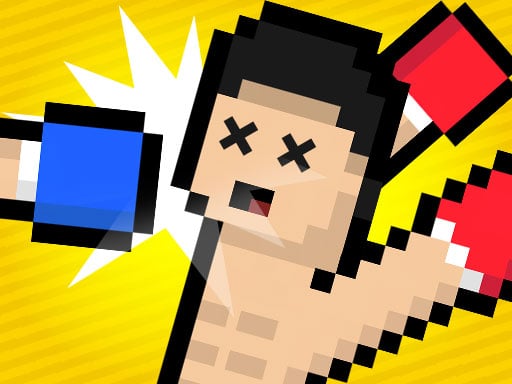
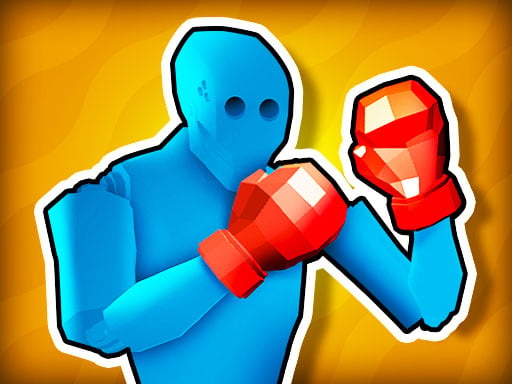
| Boxing Random | W / Up arrow | Punch the opponent's head; first to five points wins |
The advice on these four pages agrees on one thing: press less than you think. In Soccer Random, jumping under the ball scores more than jumping at it. In Volley Random the ball hangs longer than it looks, so most misses are early swings. In Boxing Random, long-arm rounds reward waiting for the opponent to reach first, and on ice a held swing turns into a slide across the ring. The one habit that transfers to all four is taking a beat at the start of each point to see what has changed before you commit.
Drunk Basket is not part of the Random series, but it borrows the idea: each round adds a random twist such as low gravity or a giant ball. It plays differently, though — you hold W or the Up arrow to charge a shot and release inside the green zone to throw — so it rewards a timed release rather than a single tap.
The Drunken series: balance is the real opponent
The Drunken games put two unsteady ragdolls against each other. The comedy comes from how easily they fall, and so does the strategy: a fighter who over-commits usually topples on their own. The family splits cleanly into one-button games and games with a full layout per player.
| Game | Player 1 | Player 2 | Win condition / key idea |
|---|---|---|---|
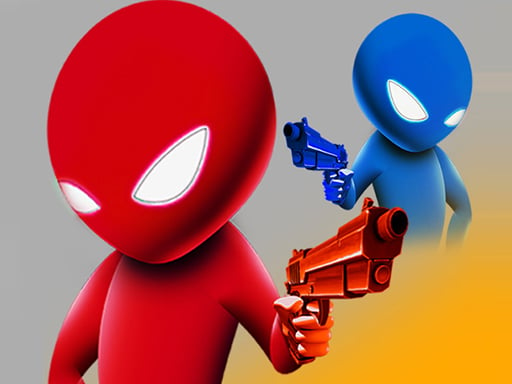
| Drunken Duel | W | Up arrow | Your button fires the pistol and its recoil is how you move; shoot your rival down or off the roof |
| Drunken Duel 2 | W | Up arrow | Different weapons with their own recoil, plus a helicopter you can shoot down onto the other player |
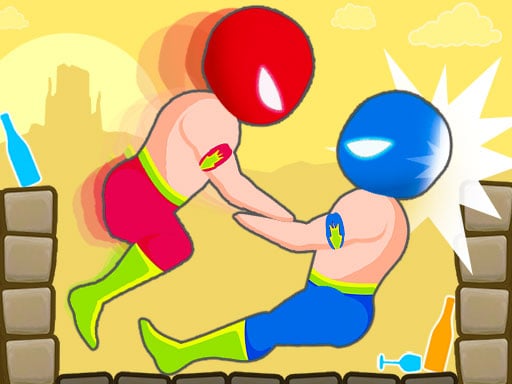
| Drunken Wrestle | W | Up arrow | Put the opponent's head on the ground while keeping yours off it; first to five |
| Drunken Slap Wars | W | Up arrow | Stop a sweeping power bar in the green band for a full-strength slap; the bar speeds up every round |
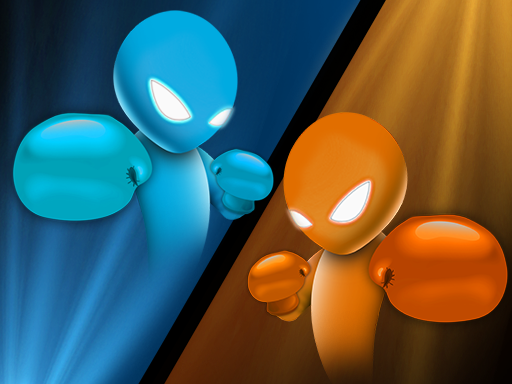
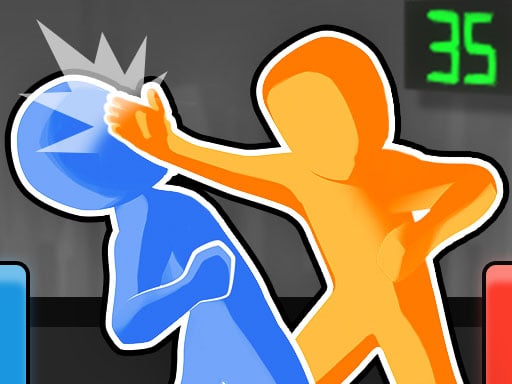
| Drunken Boxing | Arrow keys | W A S D | Lean in to punch, pull back to recover balance; land clean hits on the head |
| Drunken Boxing: Ultimate | Up / Down move, Left / Right punch, L special | W / S move, A / D punch, G special | 3D arenas and a special-hit meter that fills during the round |
Two details on this table catch people out. In Drunken Boxing, Player 1 is on the arrow keys and Player 2 on WASD — the reverse of most games — so agree on sides before the first round. And the two boxing games need a full-width keyboard, because each player uses four or five keys at once; the four one-button games work on anything, including a cramped laptop. On touchscreens, Drunken Duel, Drunken Duel 2, Drunken Wrestle and Drunken Slap Wars all list a tap or on-screen alternative.
Tactically, the one-button Drunken games reward rhythm. Drunken Duel's page suggests firing in rhythm rather than mashing, and using recoil on purpose: shoot downward to hop, backward to retreat. In Slap Wars, watching one full sweep of the bar before pressing on a new round matters more than reaction speed, because the bar's speed changes every round. In the boxing games the resource is balance — recover after every couple of punches, and in Ultimate, save the special until your opponent has swung and missed.
MiniBattles: a roulette of tiny games
MiniBattles works on a different principle. Instead of one sport with changing conditions, it deals a sequence of very short, completely different contests, and your button does something new in each one.
| Game | Players | Keys |
|---|---|---|
| 12 MiniBattles | 2 | Player 1 A, Player 2 L — one key each |
| MiniBattles: 2–6 Players | 2 to 6 | C, N, P, Q, Left arrow and Right arrow for players one to six |
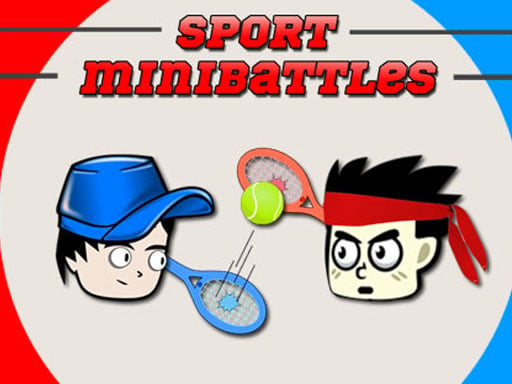
| Sports MiniBattles | 2, or 1 vs CPU | Player 1 A / D move, W jump, Space smash; Player 2 arrows to move and jump, 0 or Enter to smash |
In 12 MiniBattles, the twelve games are dealt at random and include soccer, sniper duels and sumo pushes. The page's most useful tip is that the short intro animation before each game is the tutorial: it shows what your button does this time. In timing duels, pressing second but precisely usually beats pressing first. The 2–6 player version stretches the same idea across one keyboard; its page recommends agreeing who sits where before starting, because hands collide over the middle keys. Sports MiniBattles is the odd one out: it drops the one-button idea for a move, jump and smash layout, with four sports, each played to five points.
Choosing one for your situation
- Two people who have never played before: any Random game, or 12 MiniBattles. One key each means nobody has to learn a layout.
- Three to six people around one laptop: MiniBattles: 2–6 Players is the only game in these families built for more than two.
- A small laptop keyboard: stay with the one-button games. Drunken Boxing, Drunken Boxing: Ultimate and Sports MiniBattles each need several keys per player.
- Playing alone: all four Random games have a mode against the computer, as do Drunken Wrestle, Drunken Boxing, Drunk Basket, Drunken Slap Wars and Sports MiniBattles. 12 MiniBattles is much better with a second person.
- Two evenly matched players who want skill to count: Drunken Boxing: Ultimate, where movement, punches and the special meter give the better player more to work with.
How this page was put together
We have not ranked these games by playing them, and nothing here is a claim about how they feel in a particular hand. The page gathers facts already on the fourteen game pages — keys, scoring rules and the tips each page gives — after those facts were checked against the developer's listing for each game's distribution ID. The embeds were re-checked from a US server on the date above. For a wider list that includes games outside these three families, see two-player games on one keyboard.